Sales: (833) 695-2121
Service: (418) 681-2121

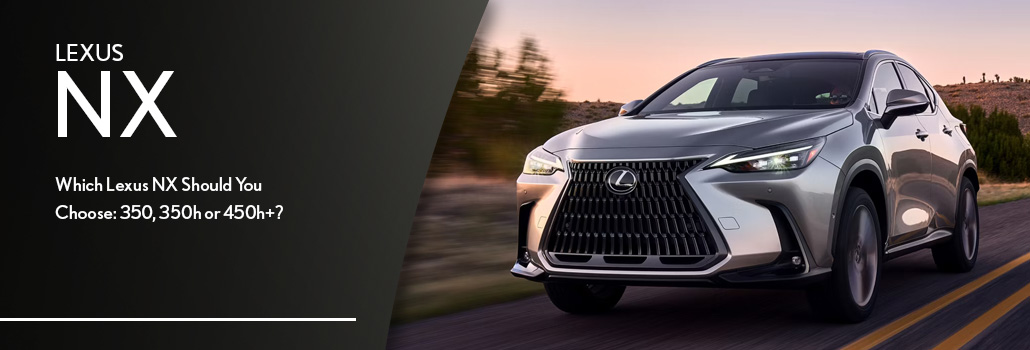
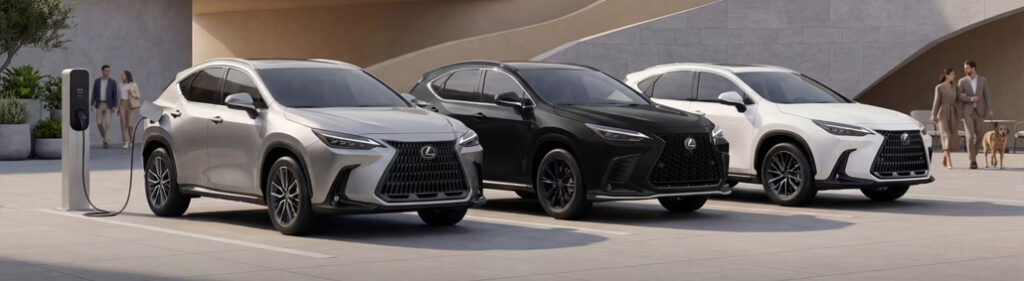
The Lexus NX occupies a particularly interesting place in the Lexus lineup. Compact enough to make daily driving easier, yet spacious and versatile enough for family needs or weekend getaways, this luxury SUV stands out in part because of its three available powertrains: the Lexus NX 350, Lexus NX 350h and Lexus NX 450h+.
That variety raises an important question when shopping: which Lexus NX should you choose? Should you prioritize the performance of the gas-powered NX 350, the efficiency of the NX 350h hybrid or the ability to drive in electric mode with the NX 450h+ plug-in hybrid?
For drivers in the Quebec City area, several factors can influence the decision. Annual mileage, the proportion of city and highway driving, winter conditions and, in the case of the NX 450h+, access to a charging solution are all important considerations.
Here is our comparison of the Lexus NX 350 vs. NX 350h vs. NX 450h+ to help you determine which powertrain best suits your daily needs. To learn more about the model, you can also visit our page dedicated to the Lexus NX as well as our Lexus NX guide.
All three models share the same overall philosophy. The Lexus NX is a five-passenger compact luxury SUV designed to combine comfort, technology, versatility and refinement. The fundamental difference between the NX 350, 350h and 450h+ lies under the hood.
The Lexus NX 350 represents the traditional approach with its turbocharged gasoline engine. It prioritizes power and a familiar driving experience.
The Lexus NX 350h uses a self-charging hybrid electric powertrain. Its goal is to significantly reduce fuel consumption without requiring the driver to plug in the vehicle.
The Lexus NX 450h+ takes electrification further with a plug-in hybrid powertrain. Its battery can be charged from an external power source, allowing part of your daily driving to be completed in electric mode.
These three approaches make it possible to choose an NX based on how you actually use your vehicle rather than simply on a list of features.
| Feature | Lexus NX 350 | Lexus NX 350h | Lexus NX 450h+ |
| Powertrain | Turbocharged gasoline | Self-charging hybrid electric | Plug-in hybrid electric |
| Power | 275 hp | 240 hp | High-performance plug-in hybrid powertrain |
| Drivetrain | Full-time all-wheel drive | Standard all-wheel drive | Standard all-wheel drive |
| City/highway fuel economy | 10.9 / 8.5 L/100 km | 5.7 / 6.4 L/100 km | 6.3 / 7.1 L/100 km when the gasoline engine is in use |
| Electric range | No | No | Up to approximately 60 km estimated |
| External charging | No | No | Yes |
| Seating capacity | 5 | 5 | 5 |
| Lexus Interface | 9.8 in standard, 14 in available | 9.8 in standard, 14 in available | 14 in |
| Wireless Apple CarPlay and Android Auto | Yes | Yes | Yes |
| Lexus Safety System+ 3.0 | Yes | Yes | Yes |
| Buyer profile | Performance and simplicity | Efficiency without charging | Daily electric driving and versatility |
Fuel consumption values are estimates established according to Government of Canada-approved testing methods. Actual fuel consumption may vary depending on weather and road conditions, temperature, driving style and several other factors.
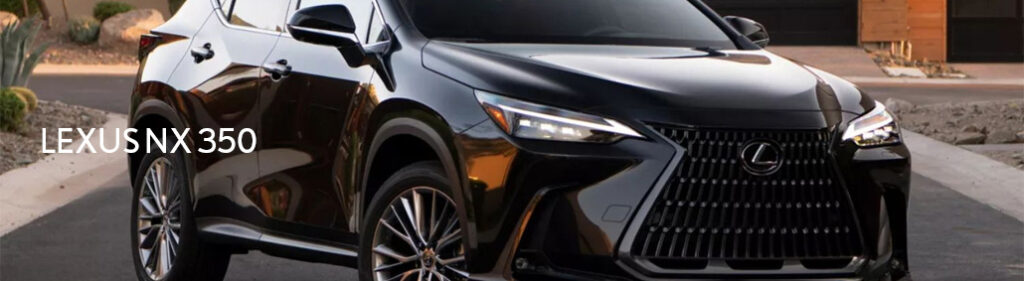
The Lexus NX 350 is designed for drivers who appreciate the response and performance of a turbocharged gasoline powertrain.
With an advertised output of 275 horsepower at 6,000 rpm, it offers a useful reserve of power for acceleration, passing and highway driving. For buyers who want to keep a conventional gasoline powertrain while enjoying the refinement of a Lexus SUV, the NX 350 is therefore a logical choice.
Its full-time all-wheel drive is also a valuable advantage in Quebec road conditions. When winter brings snow, ice and changing road surfaces, AWD helps provide traction suited to difficult conditions. Of course, it remains essential to pair this technology with good winter tires and driving that is appropriate for the conditions.
In terms of fuel efficiency, Lexus lists estimated fuel consumption of 10.9 L/100 km in the city and 8.5 L/100 km on the highway for the NX 350. These figures clearly show that this version places greater emphasis on performance than on maximizing fuel savings.
The NX 350 is therefore especially relevant for drivers who place a high value on power and the character of a turbocharged engine while still wanting the comfort and technology of the Lexus NX.
For many drivers, the Lexus NX 350h probably represents the most natural compromise in the lineup.
Its self-charging hybrid electric powertrain produces a combined 240 horsepower, and all-wheel drive is standard. Its main advantage, however, is its ability to significantly reduce fuel consumption without requiring external charging.
There is no need to install a charging station at home or change your habits. The hybrid system automatically manages the gasoline engine, electric propulsion and energy recovered while driving. This simplicity can be especially appealing for daily driving in the Quebec City area. Hybrid powertrains can make efficient use of situations involving frequent slowing, stopping and accelerating, which contributes in part to the NX 350h’s excellent city fuel economy rating.
Lexus lists 5.7 L/100 km in the city and 6.4 L/100 km on the highway. The difference compared with the NX 350 is therefore substantial, especially for someone who drives many kilometres each year. The NX 350h is also perfectly suited to long trips. There is no electric range to plan around and no charging stop to schedule. The vehicle operates like a conventional hybrid, making road trips as straightforward as they are in a gasoline vehicle.
It is precisely this combination of efficiency and ease of use that makes the NX 350h such a versatile option.
The Lexus NX 450h+ takes a different approach. It combines the benefits of a hybrid powertrain with a larger-capacity battery that can be recharged from an external power source.
Lexus lists an estimated electric range of up to approximately 60 kilometres. For a driver whose daily travel falls within that distance and who can recharge the vehicle regularly, this feature can significantly change how the NX is used.
A large portion of daily driving can therefore be completed using energy stored in the battery, depending on conditions. When the available electric charge decreases, the hybrid powertrain allows the trip to continue without having to stop to recharge. This versatility is one of the major advantages of a plug-in hybrid vehicle. It is possible to enjoy electric driving for many local trips while retaining the flexibility of a hybrid powertrain for longer journeys.
The NX 450h+ therefore becomes especially appealing for an owner who has access to charging at home or at work and wants to reduce the daily use of the gasoline engine. Lexus also lists fuel consumption of 6.3 L/100 km in the city and 7.1 L/100 km on the highway when the gasoline engine is in use. These figures should, however, be interpreted differently from those of a conventional vehicle. The actual gasoline consumption of a plug-in hybrid depends heavily on how often it is recharged and what proportion of trips can be completed on electricity.
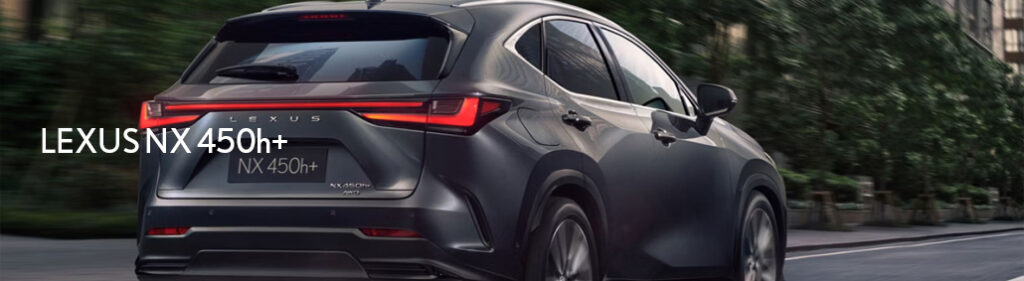
The comparison between the Lexus NX 350 and NX 350h mainly comes down to two criteria: performance and fuel consumption.
The NX 350 produces 275 horsepower and emphasizes the character of its turbocharged engine. The NX 350h produces a combined 240 horsepower but delivers significantly lower fuel consumption ratings.
For someone who drives a high number of kilometres each year, particularly in an environment where city driving is frequent, the advantage of the NX 350h can become significant over time. The NX 350 still retains one important argument: its turbo engine provides a different driving experience. Drivers looking for more power and who prefer the behaviour of a traditional gasoline powertrain may therefore naturally gravitate toward this version.
In both cases, no external charging is required. This makes the NX 350 and NX 350h especially easy to integrate into daily life, including for drivers who do not have a charging station at home.
Choosing between the NX 350h and NX 450h+ requires thinking about how the vehicle will be used.
The NX 350h is a self-charging hybrid. The driver does not need to plug anything in, and the system automatically manages energy use. It is a particularly simple way to reduce fuel consumption.
The NX 450h+, meanwhile, has a rechargeable battery that allows it to travel up to approximately 60 km in electric mode, according to the manufacturer’s estimates and depending on conditions.
Access to charging therefore becomes a determining factor. For a driver who can plug in the vehicle regularly and whose daily trips are relatively short, the NX 450h+ makes it possible to take full advantage of its battery. For someone who drives long distances, does not have easy access to a charging solution or simply prefers never having to think about plugging in the vehicle, the NX 350h may be the more practical choice.
To determine which approach is right for you, you can also book an appointment with the Boulevard Lexus team to discuss your annual mileage and driving habits.
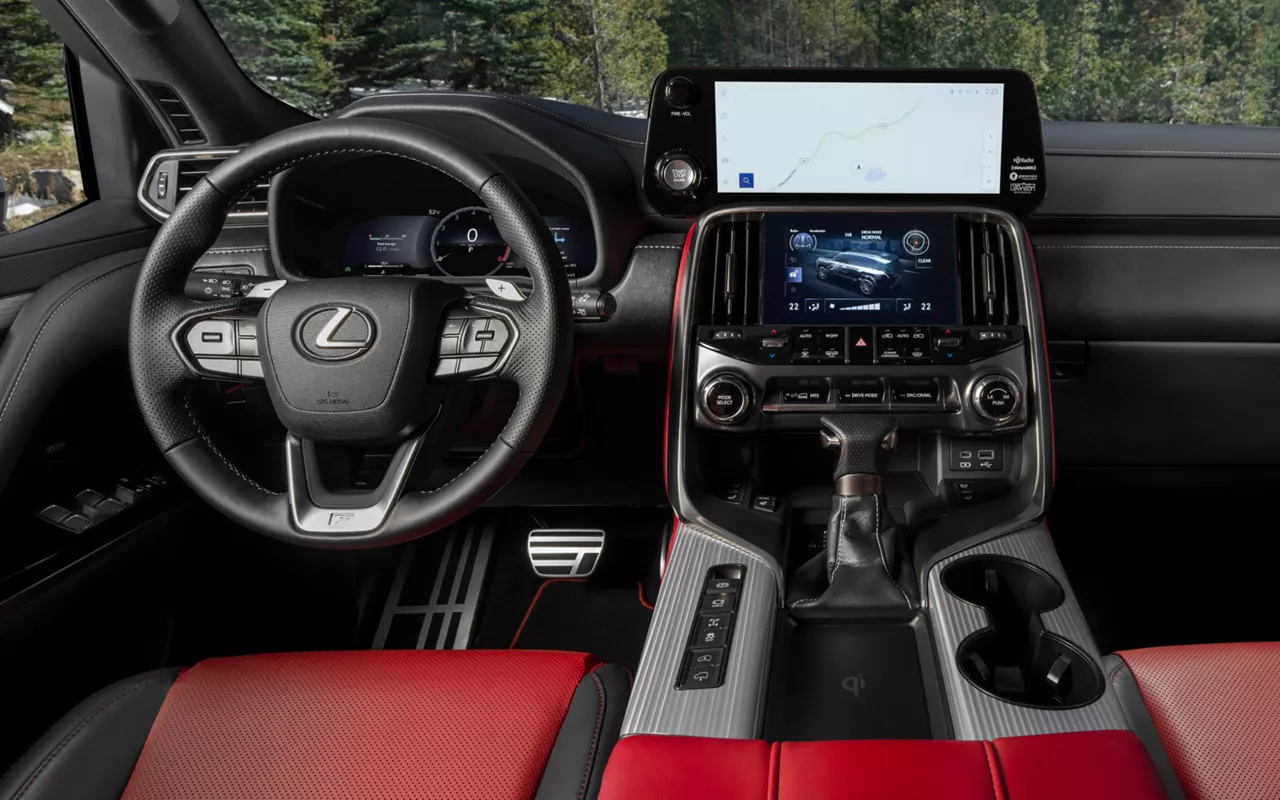
The choice of powertrain does not change the Lexus NX’s technology-focused character. All three models offer a modern environment built around Lexus Interface and a range of connected features.
The NX 350 and NX 350h are offered with a 9.8-inch HD touchscreen as standard, while a 14-inch screen is available depending on the configuration. The NX 450h+, meanwhile, features the 14-inch HD touchscreen in the configuration presented by Lexus Canada.
Compatibility with wireless Apple CarPlay and Android Auto makes it easy to integrate a smartphone with the multimedia system. Several Lexus connected services are also available depending on the vehicle, trial period and applicable subscription.
All three powertrains also benefit from Lexus Safety System+ 3.0, Lexus’s suite of driver-assistance and active-safety technologies. This means that the choice between the NX 350, 350h and 450h+ can focus primarily on the powertrain and the equipment specific to each configuration rather than on sacrificing the NX’s main modern technologies.
The powertrain is obviously not the only factor to consider when shopping for a compact luxury SUV. Interior space and versatility also matter in the decision.
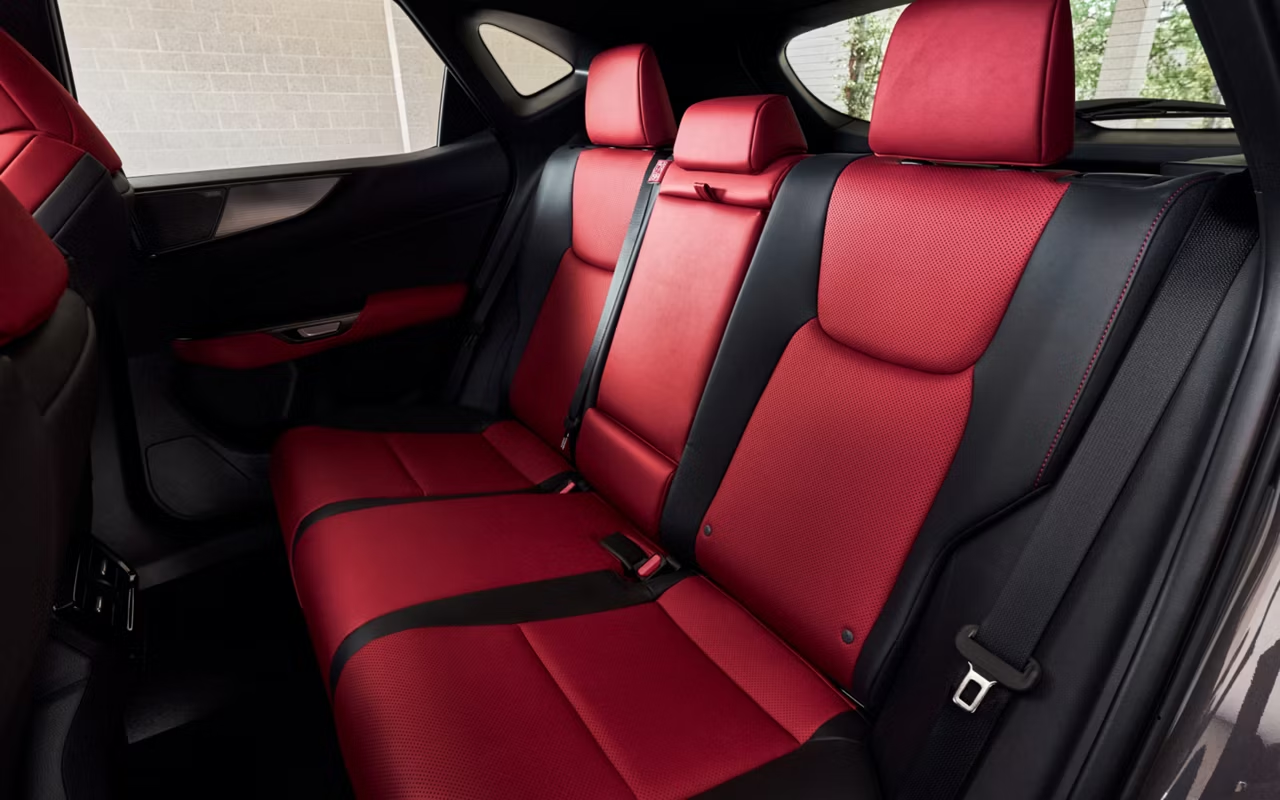
The Lexus NX seats up to five occupants and offers the format sought by drivers who want more versatility than a sedan without necessarily moving up to a large SUV.
Its cargo area can handle many everyday needs, whether groceries, luggage, items for family activities or equipment for a weekend getaway. The rear seat also makes it possible to adapt the space when larger items need to be carried. This format is an advantage in the Quebec City area, where the same vehicle may need to be comfortable for daily travel, easy to use in an urban environment and versatile enough for trips outside the city.
The NX 450h+ also offers an advertised towing capacity of up to 907 kg, or 2,000 lb, when the vehicle is properly equipped and used in accordance with the manufacturer’s recommendations.
Winter naturally deserves consideration when choosing a vehicle in the Quebec City area.
All three models compared offer a form of all-wheel drive. The NX 350 features full-time all-wheel drive, while the NX 350h and NX 450h+ also come standard with all-wheel drive. This feature is useful when roads become snowy or icy. It is important to remember, however, that all-wheel drive does not replace good winter tires or driving that is adapted to the conditions.
In the case of the NX 450h+, the climate introduces another consideration. As with other electrified vehicles, cold temperatures can reduce the available electric range. The approximately 60 km advertised therefore represents an estimate under specific conditions rather than a guaranteed range in the middle of winter.
Outside temperature, cabin heating, speed, road conditions and driving habits can all affect the actual distance travelled in electric mode. This does not take away from the appeal of the NX 450h+, but it is important to consider when determining whether its electric range matches your daily travel needs.
The NX 350 is especially appealing for drivers who primarily want the power of a turbocharged engine and wish to retain a traditional gasoline driving experience.
The NX 350h is aimed more at drivers who want to reduce fuel consumption without having to think about charging. Its fuel efficiency and simplicity make it a very versatile option for a mix of city and highway driving.
The NX 450h+ makes the most sense when charging is readily accessible. If a large portion of your daily driving falls within its estimated electric range, it becomes possible to use the vehicle regularly with very little involvement from the gasoline engine, depending on conditions.
The numbers help explain the differences between these three models, but the driving experience remains important. A turbocharged engine, a hybrid powertrain and a plug-in hybrid do not behave in exactly the same way.
You can browse the new Lexus NX inventory at Boulevard Lexus to see the models currently available, then book a test drive to compare the versions that interest you.
There is no single Lexus NX that is objectively the best for every driver. Each of the three powertrains addresses a different need.
The Lexus NX 350 prioritizes power and the simplicity of a turbocharged gasoline powertrain. The NX 350h focuses on particularly favourable fuel consumption without requiring charging. The NX 450h+, meanwhile, allows drivers to enjoy electric travel while retaining the versatility of a hybrid system for longer trips.
For many drivers, the NX 350h represents an excellent balance thanks to its fuel economy and simplicity. For a driver with access to charging who mainly makes short or medium-distance trips, however, the NX 450h+ can offer a particularly appealing experience. The NX 350, for its part, remains highly relevant for those who prioritize the performance of a turbocharged powertrain.
The best choice therefore depends more on your daily life than on a simple comparison of horsepower or fuel consumption.
Choosing between a Lexus NX 350, NX 350h and NX 450h+ ultimately comes down to determining which technology best matches your driving needs.
At Boulevard Lexus, our team can help you compare the different powertrains while taking into account your annual mileage, driving habits, access to charging and the features you are looking for in your next SUV.
You can explore our available new Lexus NX models, learn about the financing solutions available at Boulevard Lexus or contact our team for more information.
A Lexus NX test drive also remains one of the best ways to determine which powertrain best matches your preferences behind the wheel.
The Lexus NX 350 uses a turbocharged gasoline powertrain producing 275 horsepower, while the NX 350h features a self-charging hybrid electric powertrain producing a combined 240 horsepower. The NX 350 places more emphasis on power, while the NX 350h stands out for its significantly lower fuel consumption.
No. The Lexus NX 350h is a self-charging hybrid vehicle. It does not need to be connected to a charging station. The hybrid system automatically recovers and uses energy while driving.
Lexus lists an estimated electric range of up to approximately 60 km for the NX 450h+. Actual range varies depending on factors such as temperature, road conditions, speed, driving style and the use of heating or air conditioning.
The NX 350h has advertised ratings of 5.7 L/100 km in the city and 6.4 L/100 km on the highway. The NX 450h+, however, can complete part of its travel using electric energy when it is recharged regularly. Its actual gasoline consumption therefore depends heavily on the type of trips made and the frequency of charging.
The NX 350h is a hybrid that never needs to be plugged in. The NX 450h+ is a plug-in hybrid with a larger-capacity battery that allows travel in electric mode. Once the available electric charge decreases, its hybrid powertrain allows the trip to continue.
Yes. All three powertrains compared offer all-wheel drive. The NX 350 has full-time all-wheel drive, while the NX 350h and NX 450h+ also come standard with all-wheel drive.
The NX 350h is especially appealing for drivers who want low fuel consumption without access to a charging station. It requires no external charging. The NX 350 is also an option if the power of a turbocharged engine is a priority.
Yes. The NX 450h+ is equipped with all-wheel drive and can be used year-round. As with other electrified vehicles, however, cold temperatures can reduce its electric range. You should therefore expect a different range in winter than under milder conditions.
Yes. The NX 450h+ is not a fully electric vehicle. When the available battery energy decreases, its hybrid powertrain allows you to continue driving. It therefore offers the ability to drive electrically on many daily trips without creating the same dependence on charging during longer journeys.
You can book a test drive at Boulevard Lexus to discover the Lexus NX and compare the available powertrains. You can also book a sales appointment or contact Boulevard Lexus directly for help choosing your next Lexus NX.